
When you read about slow growth, consistency, and the reasons people quit, it’s normal to question whether affiliate marketing is even worth starting. If results take months and the path feels uncertain, walking away can seem like the smarter move.
That hesitation doesn’t mean you’re scared. More often, it means you’ve learned to be cautious.
For me, that caution came from experience. Before affiliate marketing ever felt reasonable, I had already bought several make-money-online courses and programs. Some were disappointing. A few were outright scams. After that, I stopped believing big promises and became far more careful about where I invested my time and money.
What trips many people up is how this decision is framed. It’s usually presented as all or nothing. Either you go all in, or you don’t bother at all. Affiliate marketing doesn’t actually work that way, but many people give up before they realize that.
Affiliate Marketing Works Best When You Don’t Rush the Decision
Early on, most programs I tried required payment before I truly understood what I was getting into. Once money was spent, there was pressure to force results, even when the process didn’t feel right.
Affiliate marketing can be approached differently. You don’t need inventory, fixed overhead, or a rigid schedule just to get started. In the beginning, progress often looks simple. A basic website. A few published articles. A growing understanding of how content, search intent, and structure fit together.
That flexibility matters. Instead of deciding whether affiliate marketing will work forever, you’re deciding whether it’s worth spending a few weeks or months learning how it actually works. If you’ve been burned before, that shift alone changes everything.
Progress Often Shows Up Before Income Does
This is where expectations usually break people.
When I started, income didn’t come quickly. What did change within the first few months was my understanding. I learned how websites are built, how content is written for real readers rather than hype, and how long-term projects behave differently from quick wins.
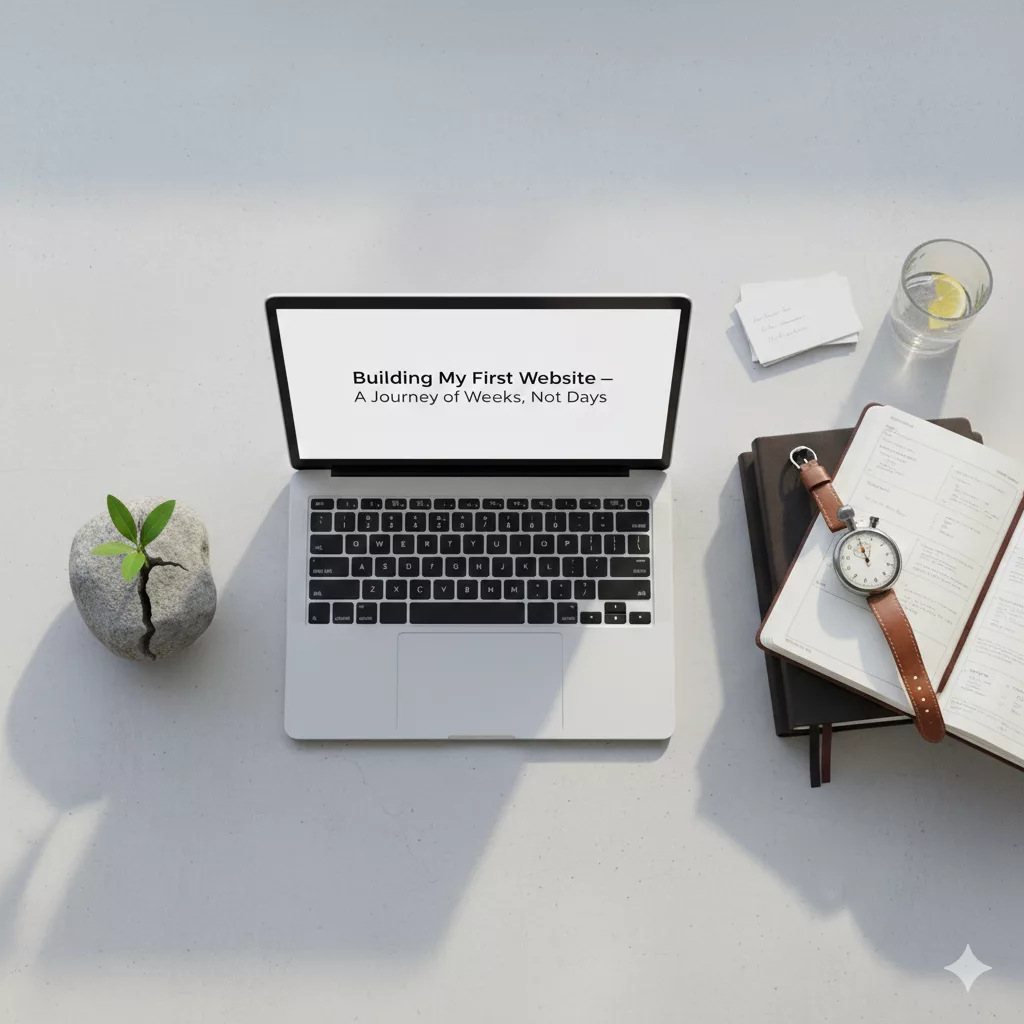
Building my first website was a turning point. It didn’t generate money right away, but it proved I could create something real from scratch. Each article made the next one easier to write. Each small improvement built confidence, even without traffic or commissions yet.
That kind of progress compounds. Once you understand how to build and improve a site, you don’t lose that skill. It carries forward into future projects, niches, or even other forms of online work.
Confidence Comes After Action, Not Before
Most people wait until they feel confident before they start. I did the same.
In reality, confidence showed up only after I took small, low-risk steps. I published content. I made mistakes. I adjusted. Nothing broke, and nothing disastrous happened. That alone changed how I saw the whole process.
After dealing with programs that demanded upfront commitment, having a safe way to start mattered to me. I needed to know I could learn and walk away if it wasn’t right. Once that pressure was gone, the fear faded quickly.
Why Trying Before Paying Made the Difference for Me
What finally shifted things was finding a platform that allowed me to experience affiliate marketing without paying anything upfront. There were no promises to believe and no sales page to trust. I could see how the process worked by actually doing it.
If you’re curious, I’ve shared what that experience actually looked like when I started, including what surprised me and what didn’t.
That’s why I’m genuinely glad a platform like Wealthy Affiliate exists. Not because it guarantees results, but because it lets people decide based on real experience. I was able to build my first site, learn the basics, and understand what affiliate marketing actually involves before making any financial commitment.
Only after that confidence was there did I choose to upgrade to a more advanced plan. By then, it didn’t feel like a gamble. It felt like a decision I understood.
Starting Small Keeps Fear Manageable
Fear grows when decisions feel permanent and expensive. When starting feels reversible, fear loses its grip. Instead of asking whether affiliate marketing will change your life, you start asking whether what you’re learning feels worth continuing.
That’s a much easier question to answer once you’ve actually begun.
Affiliate Marketing Isn’t for Everyone, and That’s Okay
Affiliate marketing tends to suit people who value learning, patience, and long-term thinking more than fast validation. It works better for those who are comfortable building confidence first and letting results come later.
If you’ve been burned before and now move more carefully, that doesn’t disqualify you. In many cases, it makes you better suited for this kind of work.
You don’t need certainty to start. You just need a way to begin without pressure and enough time to see whether it fits you.
